Concrete Admixture Supplier for Vietnam
Finished polycarboxylate and naphthalene superplasticizers shipped from Guangdong to Cat Lai and Hai Phong — with batch COA, TDS, SDS and FORM E, and lab samples trialled against your own Vietnamese cement.
Market snapshot
Vietnam Buys on Consistency, Not on Price Alone
Vietnam is the most demanding of the three markets we serve, and for a straightforward reason: it has a mature domestic admixture industry. Expressway programmes, airport and metro construction, industrial park build-out and a fast-growing precast sector keep demand high, but buyers already have local options at competitive prices.
So the reason to import is not to undercut local supply — it is to get repeatable quality across every batch. Our pitch is narrow and specific: a single ISO 9001 production base, a certificate of analysis per production batch, and third-party test evidence behind the performance figures we publish.
The technical issue that decides most Vietnamese enquiries is cement variability. Cement fineness, C3A content and sulphate levels differ between plants, and polycarboxylate chemistry is far more sensitive to that than naphthalene. A dosage tuned on one cement can behave very differently on another.
This is why we do not quote a dosage off a datasheet. We ask for your cement brand, aggregates, target strength, haul time and ambient conditions, then confirm by trial. The reasoning is set out in cement change and admixture compatibility.
Route
Two Ports, One Short Sea Route
Vietnam is the shortest shipping route we serve, which makes landed cost and scheduling the least of your problems — and makes technical fit the thing worth spending time on.
| Destination | Typical discharge port | Notes |
|---|---|---|
| Southern Vietnam (HCMC, Binh Duong, Dong Nai) | Cat Lai, Ho Chi Minh City | Shortest leg; serves the largest concentration of ready-mix and precast plants |
| Northern Vietnam (Hanoi, Hai Phong, Quang Ninh) | Hai Phong | Cooler winter concreting changes grade selection — see below |
| Central Vietnam (Da Nang, Quang Nam) | Da Nang, or transhipment via Cat Lai | Depends on carrier coverage at time of booking |
Climate
North and South Are Not the Same Concreting Problem
Southern Vietnam works hot and humid most of the year. The failure mode is slump loss between batching and placement — the mix leaves the plant on spec and arrives stiff. Our hot-weather slump retention guide explains the mechanism; the practical answer is a retention-grade PCE sized to your actual haul time rather than a standard grade sized to the datasheet.
Northern Vietnam has a genuine cool season, and that flips the requirement: hydration slows, early strength drops, and a heavy retarding dose that was correct in August becomes a problem in January. If you batch in the north, tell us the seasonal range you operate across — we will either specify a grade that holds across it, or give you a summer and a winter grade rather than pretending one product fits both.
What we supply
Finished Admixtures, Ready to Dose
We do not sell intermediates for local compounding. Both lines arrive finished, with their own specification and batch COA, ready to dose at the plant.
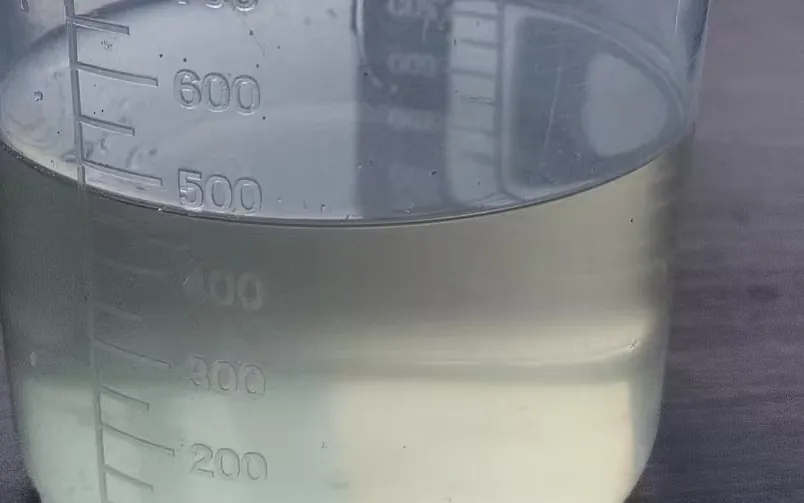
Polycarboxylate Superplasticizer (PCE)
For high-strength, precast and low-cement-content mixes. Third-party tested at 29% water reduction, with slump-retention variants for long haul times and hot weather.
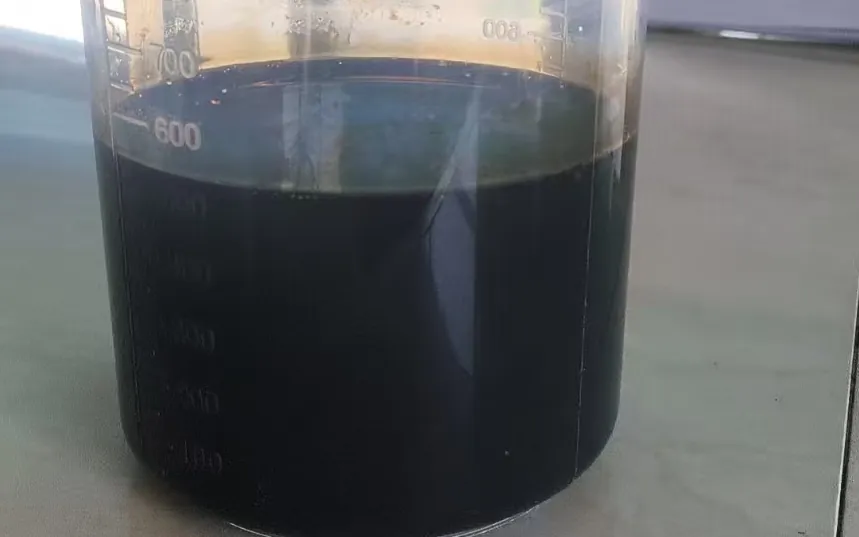
Naphthalene Superplasticizer (SNF)
For standard ready-mix and mass concrete where cost per cubic metre decides. Third-party tested at 23% water reduction, and more tolerant when cement supply shifts between plants.
Unsure which line fits your mix? PCE versus naphthalene: cost per cubic metre works through the comparison with real dosage arithmetic.
Duty & documents
FORM E and the Paper Trail
Concrete admixtures import under HS heading 3824.40. Under the ASEAN-China Free Trade Area, qualifying Chinese-origin goods arriving with a FORM E certificate of origin are assessed on Vietnam's preferential schedule rather than the standard rate — in many lines a low single digit or zero.
Two cautions worth stating plainly. First, the applicable rate depends on the tariff line your broker declares, so confirm it with them rather than with us. Second, FORM E has to be arranged before the shipment sails; it is not something that can be produced afterwards when a broker asks for it.
- Batch certificate of analysis, traceable to a production record
- TDS and SDS provided with the quotation, not after payment
- Commercial invoice, packing list, bill of lading
- FORM E certificate of origin when requested before sailing
- Third-party test reports behind published performance figures
Vietnamese Buyers Ask Us These Questions
Do you ship to Cat Lai and Hai Phong?
Yes. Southern Vietnam is normally served through Cat Lai (Ho Chi Minh City) and northern Vietnam through Hai Phong. Both are short sea routes from Shenzhen-area ports, and we quote against the actual sailing rather than a published average.
Can you issue FORM E for Vietnamese imports?
Yes, for qualifying shipments under the ASEAN-China Free Trade Area. Vietnam applies its own preferential tariff schedule, so ask your broker to confirm the rate for your declared tariff line before the shipment sails.
Is your admixture compatible with Vietnamese cement?
It has to be confirmed by trial, and we insist on it. Polycarboxylate performance is sensitive to cement fineness, C3A content and sulphate levels, and those vary between Vietnamese plants and even between batches from one plant. We run the trial against your actual cement and aggregates before quoting a dosage.
Do you sell PCE mother liquor for local compounding?
No. We supply finished, ready-to-dose admixtures with their own specification and batch COA, intended to be dosed directly at the batching plant. That keeps quality responsibility with us instead of splitting it across a compounding step we do not control.
How fast can you ship to Vietnam?
Vietnam is one of the shortest routes we serve. Lead time is dominated by production and booking rather than by sailing, so we confirm production slot, vessel and documents together when we quote.
Can we trial before importing a container?
Yes, and we prefer it. We ship free 1 L lab samples so your team can run trial mixes against your own cement and aggregates. A reduced LCL quantity is usually possible for a plant-scale trial before you commit to a full container.
Running trials against Vietnamese cement?
Tell us the cement brand and plant, your aggregates, target strength, haul time and seasonal temperature range. We will recommend a starting grade, quote landed to Cat Lai or Hai Phong, and send a 1 L sample for your lab.