Concrete Admixture Supplier for the Philippines
Finished polycarboxylate and naphthalene superplasticizers shipped from Guangdong to Manila and Batangas — with batch COA, TDS, SDS and FORM E certificate of origin for preferential ASEAN-China duty treatment.
Market snapshot
Why Philippine Ready-Mix and Precast Buyers Look Abroad for Admixtures
Philippine concrete demand is driven by public infrastructure delivery — roads, bridges, flood control, rail and airport works — alongside private residential and industrial construction. Ready-mix penetration outside Metro Manila is still growing, and precast is expanding as contractors look for faster site cycles. Both trends push admixture demand up, and both put pressure on the same thing: consistent quality at a predictable landed cost.
That is the gap we fill. We are a manufacturer, not a trading office: our ISO 9001 certified production base in Guangdong produces finished admixture, and every batch leaves with a certificate of analysis you can trace back to a production record.
The local condition that matters most for admixture selection is heat. Across most of the archipelago, daytime concrete temperatures sit well above 30 °C for much of the year, and Metro Manila haul times can stretch delivery well past the point where a standard grade keeps its slump.
We wrote about the mechanics in slump retention in hot weather concrete — in short, hydration roughly speeds up materially for every 10 °C rise in concrete temperature, so a mix that behaves at 20 °C can arrive unplaceable at 35 °C. Grade selection should start from your actual haul time, not from a generic datasheet.
What we supply
Two Admixture Lines for Philippine Mixes
Both are finished products supplied ready to dose, with their own specification and batch COA. Choosing between them is a cost-versus-performance decision — our PCE versus naphthalene cost comparison walks through the arithmetic.
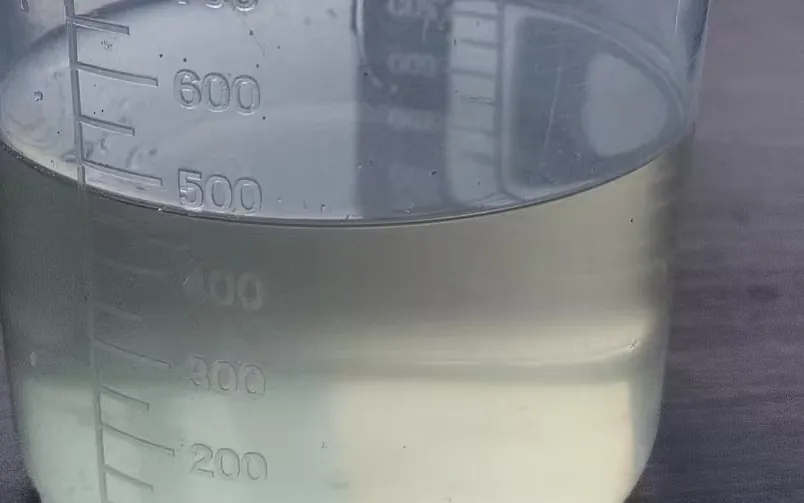
Polycarboxylate Superplasticizer (PCE)
High-range water reduction for high-strength and precast work, and for mixes where cement content needs to come down without losing slump or strength. Third-party tested at 29% water reduction.
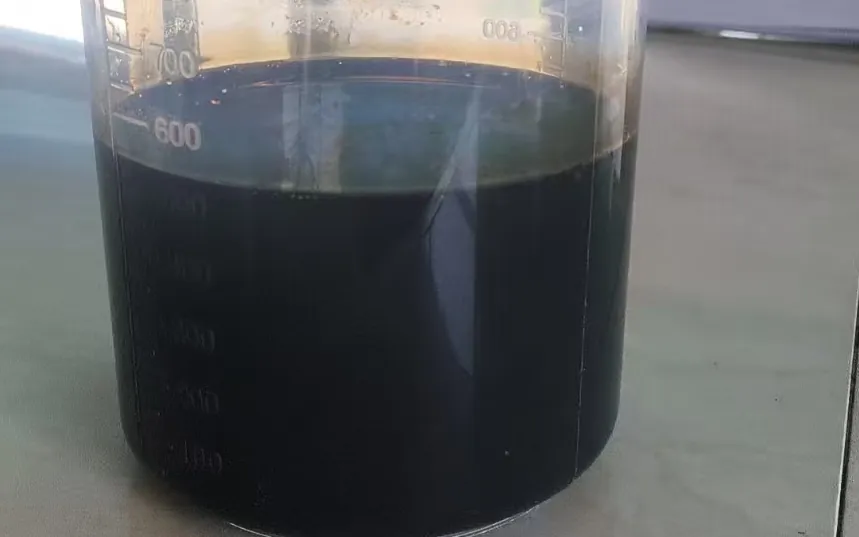
Naphthalene Superplasticizer (SNF)
The cost-driven choice for mass concrete and standard ready-mix grades. Third-party tested at 23% water reduction, and more forgiving of cement variation than PCE.
Grade selection
Matching the Grade to Philippine Site Conditions
| Your situation | Typical starting grade | Why |
|---|---|---|
| High-strength columns, precast, long-span elements | Standard PCE, high water reduction | Lowest water demand at a given workability; supports high early and 28-day strength |
| Metro Manila ready-mix with long haul times | Slump-retention PCE | Holds workability through heat and traffic; reduces site re-tempering |
| Mass concrete, standard grades, tight cost targets | Naphthalene (SNF) | Lower dosed cost per cubic metre; tolerant of cement and aggregate variation |
| Cement supply changes frequently between plants | SNF, or PCE after fresh compatibility trials | PCE is more sensitive to cement chemistry — see our note on cement change and admixture compatibility |
Shipping
From Guangdong to Manila and Batangas
| Item | Usual arrangement |
|---|---|
| Loading port | Shenzhen area (Yantian / Shekou) |
| Discharge port | Manila or Batangas, as nominated |
| Transit time | Short sea route — typically under two weeks port to port |
| Packing | 1,000 L IBC, 200 L drum, or flexitank for full containers |
| Standard order | One 20' full container load |
| First trial | Free 1 L lab sample, or a reduced LCL quantity |
| Shelf life | Stated on the TDS — stored sealed, shaded, protected from freezing |
FORM E: the duty advantage most buyers forget to ask for
Concrete admixtures import into the Philippines under HS heading 3824.40. Under the ASEAN-China Free Trade Area, qualifying Chinese-origin goods shipped with a FORM E certificate of origin can be assessed at a preferential duty rate rather than the standard MFN rate — frequently a reduction to a low single-digit rate or zero, depending on the tariff line your broker declares.
The practical point: FORM E is cheap to obtain and expensive to miss, but it must be declared before the shipment. It cannot be issued retrospectively. Tell us at quotation stage that you want FORM E and we will issue it with the shipping documents.
Confirm the applicable rate with your customs broker — duty treatment depends on the declared tariff line and on current national schedules, not on the supplier.
Documents & quality
What Arrives With Every Shipment
- Batch certificate of analysis — issued per production batch, not per order, so you can trace any drum back to a test record
- TDS and SDS — supplied with the quotation, so your technical team can evaluate before you buy
- Commercial invoice, packing list and bill of lading
- FORM E certificate of origin — for qualifying ASEAN-China shipments, when requested before sailing
- Third-party test reports — the water-reduction figures quoted on our product pages come from independent testing, not internal claims
Certificates and test reports carry the registered name of the manufacturing entity, not the Cravco brand. We share full documentation during supplier verification, together with the underlying records — see how to verify an admixture supplier for the checks we expect buyers to run on us.
Philippine Buyers Ask Us These Questions
Can you ship concrete admixture to Manila and Batangas?
Yes. We ship from Shenzhen-area ports to Manila and Batangas. Full container loads normally move in 1,000 L IBCs; smaller first orders can move as LCL. Transit times are indicative and confirmed against the actual sailing when we quote, because schedules vary by carrier and season.
Can you issue FORM E for Philippine imports?
Yes. We issue a FORM E certificate of origin under the ASEAN-China Free Trade Area for qualifying shipments. Preferential duty treatment depends on the tariff line your broker declares, so confirm the applicable rate with your customs broker before ordering. FORM E is issued per shipment and cannot be issued retrospectively.
Which admixture suits ready-mix concrete in Philippine heat?
Most Metro Manila and regional ready-mix operations work at concrete temperatures well above 30 °C for much of the year, and haul times can be long in traffic. A standard PCE grade gives high water reduction but may lose slump faster in those conditions, so we usually start from a slump-retention grade and confirm dosage by trial with your cement, aggregates and haul time.
Do you supply PCE mother liquor or only finished admixture?
We supply finished, ready-to-dose admixtures. Each product comes with its own specification and batch COA, so it can be dosed directly at the batching plant without further compounding.
What is the minimum order quantity for the Philippines?
Standard export orders start at one full container load. For a first trial we can usually arrange a smaller quantity, and we ship free 1 L lab samples so your team can run mix trials before committing to a container.
What documents come with a shipment?
Each shipment is accompanied by a batch certificate of analysis, commercial invoice, packing list and bill of lading. TDS and SDS are provided with the quotation, and a FORM E certificate of origin is issued for qualifying shipments.
Sourcing admixture for Philippine works?
Send us your cement brand, target strength grade, required slump and retention window, haul time and monthly volume. We will recommend a starting grade and dosage, quote landed to Manila or Batangas, and ship a trial sample against your own materials.